Spotting trouble early
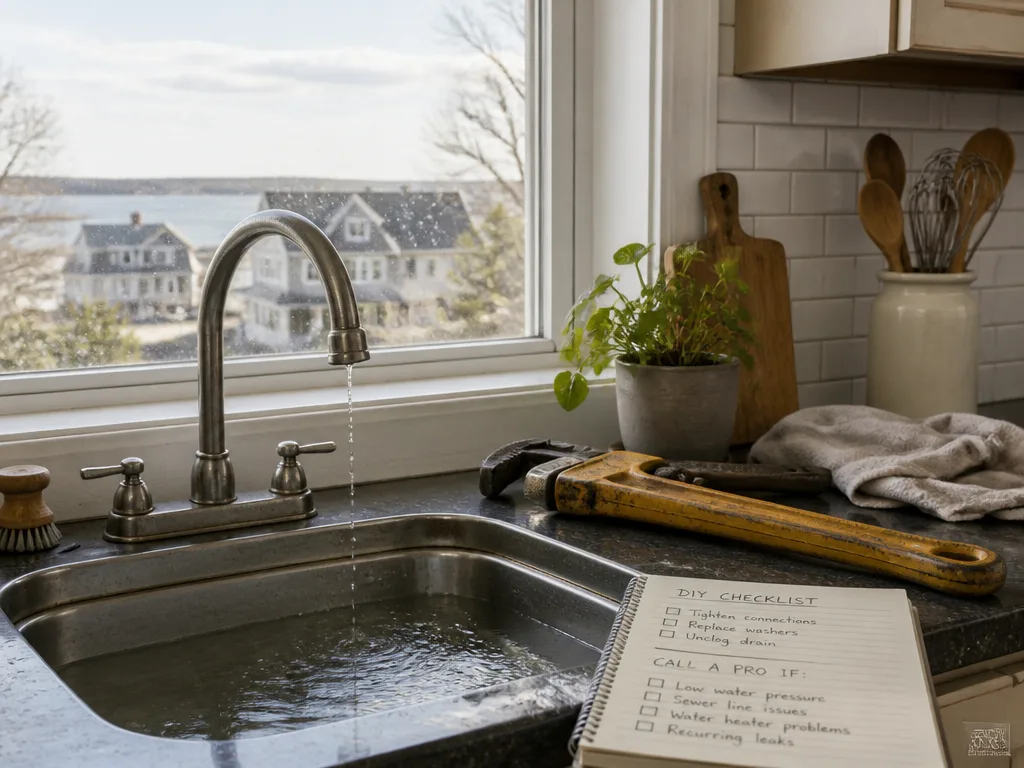
Across Massachusetts, hidden problems can simmer for weeks before you notice them. A steady increase in water bill, a damp spot on a wall, or a small drip at a fixture is often the first sign that something isn’t right. Our team at Massachusetts Backflow Prevention has seen the same patterns crop up in homes from the east coast to the western hills of the state.
Even when things seem minor, it pays to pay attention. A single slow drain, a fluctuating water meter, or a constant pressure hum behind walls can signal a developing issue. Plumbers look for these signals with a careful eye and a practical plan to isolate the cause and prevent bigger problems down the line.
Common indicators you should not ignore
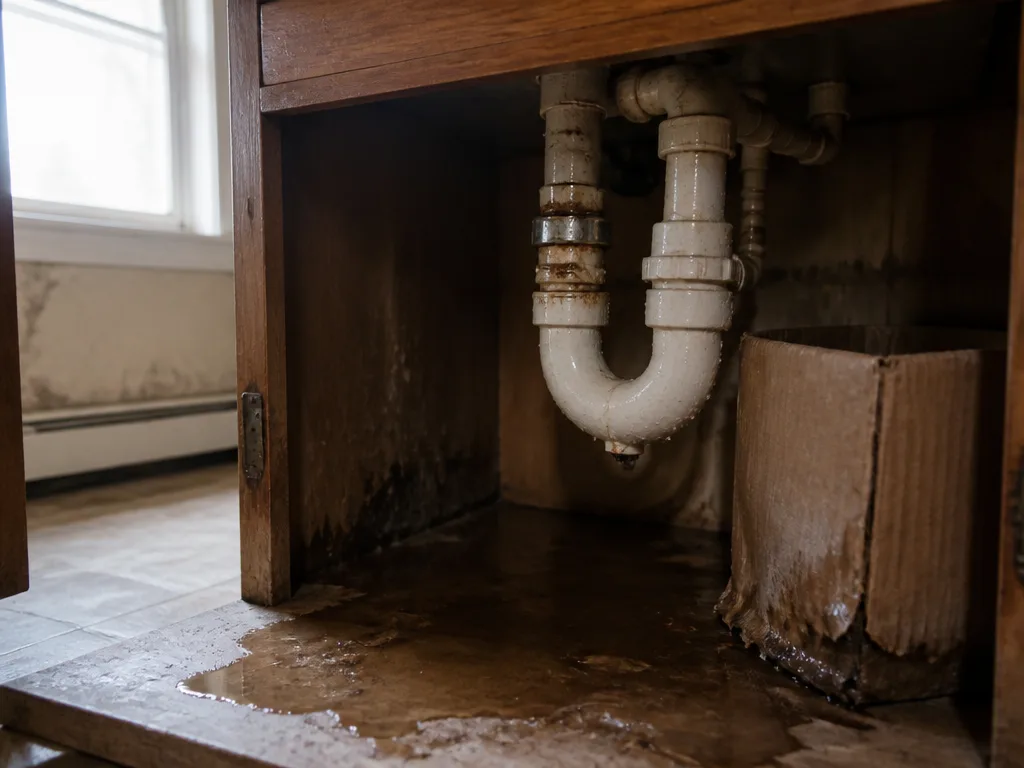
Listen for unusual sounds when you use water, like banging pipes or a whistling valve. Notice persistent wet spots or a musty smell near walls or floors. If the toilet runs after flushing or if you hear a strange drain note, these are not normal. In Massachusetts, aging systems can develop mineral buildup, calcium deposits, or corroded valves that slowly degrade performance and raise risk.
Another frequent clue is a decrease in water pressure at multiple fixtures. If showers, sinks, and outdoor taps all feel weaker than usual, you might be facing a shared plumbing line issue or mineral buildup that needs a pro’s eye. A quick, thorough inspection by a licensed plumber helps confirm the source and prevent a leak that could flood part of the house.
What we do when you reach out
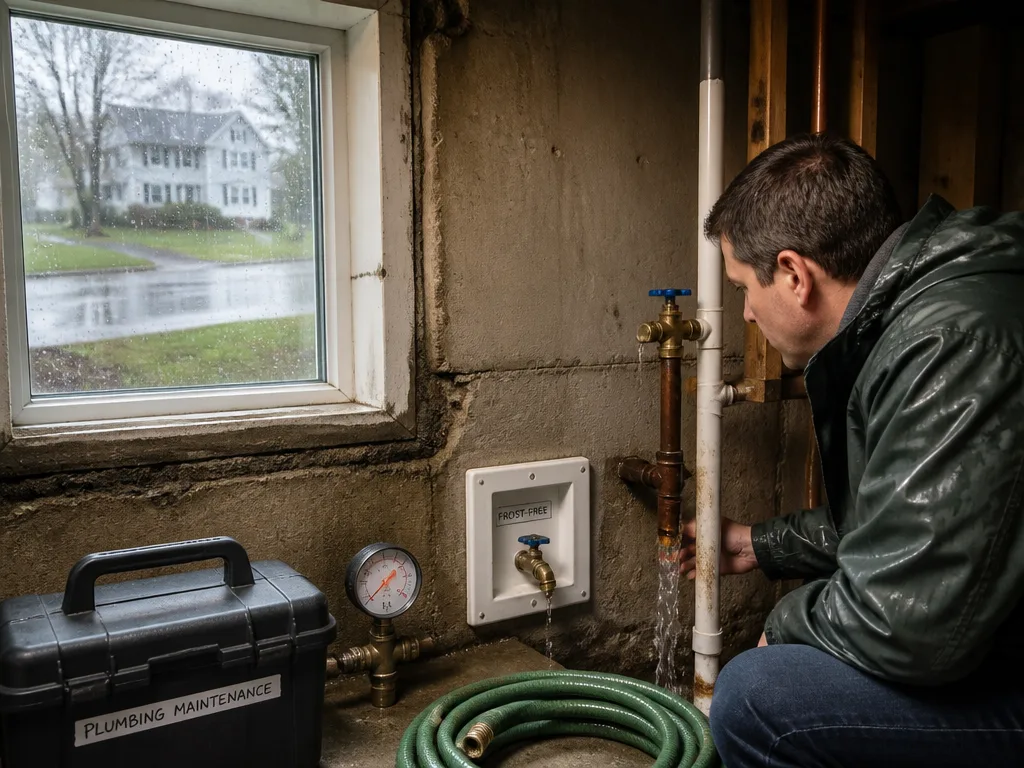
Massachusetts Backflow Prevention starts with listening to what you’ve noticed. Our crews in every Massachusetts metro bring experienced eyes to the situation, then trace the issue from the entry point to the farthest fixture. We test pressures, check valves, and inspect seals for wear. The goal is to identify the real source and outline clear options you can decide on without guesswork.
Because you’re in Massachusetts, you’ll get service that respects the whole state’s climate and building styles. We map our plan to your home’s layout, the age of the pipes, and how you use water daily. If a simple repair is enough, we’ll share the steps and the likely timeline. If replacement or a larger fix is needed, we’ll walk you through the next best steps with honest pricing and a straightforward plan.
Practical steps you can take now
- Track your next few water bills to spot unusual spikes.
- Check for damp spots after heavy rains or rapid temperature changes.
- Notice any recurring sounds when faucets or toilets are in use and note where they occur.
If you notice any of these signs, call Massachusetts Backflow Prevention for a containment and assessment. We’ll help you understand what’s happening and what it means for your home across Massachusetts.