
Know your limits before you start
In Massachusetts, most day to day issues can be handled with careful basic maintenance, but some problems require a licensed plumber. Our team at Massachusetts Backflow Prevention sees the same scenarios across the state: small leaks, clogged drains, and pressure changes that seem minor at first can become bigger problems if not handled correctly.
A hands on mindset helps, but plateaus exist. If you aren’t sure about the state of the piping, or if you lack the right tools, it’s smart to pause and call a pro. We work statewide with crews in every Massachusetts metro to provide clear guidance and safe service.
DIY tasks that are generally safe to start
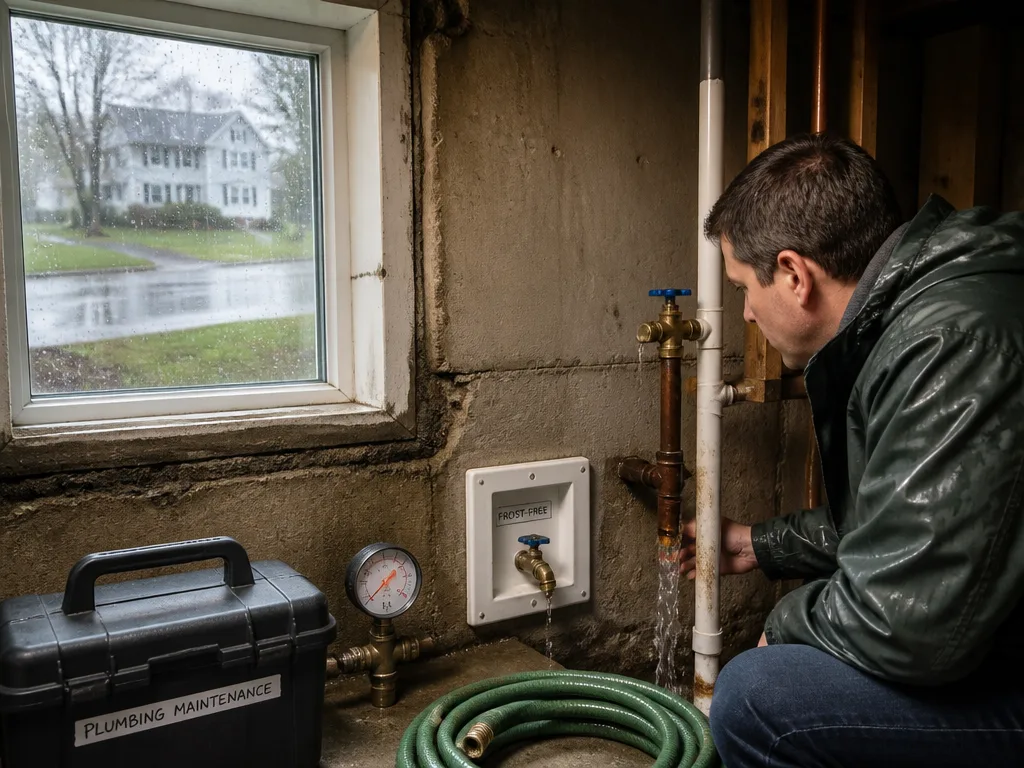
Some tasks you can handle with basic tools and a calm approach. For example, removing a clogged screen or cleaning a faucet aerator can improve flow. If you decide to try it, turn off the water at the main shutoff before you begin and test after you finish. Keep expectations realistic and stop if you see water leaking or unusual sounds.
Another common DIY step is clearing a slow drain with a hand-powered plunger. Use a plunger that matches the fixture, and work the cup to break the clog without forcing pressure into the pipe. If there’s a recurring clog, that’s a signal that more is going on and a professional assessment is warranted.
When to call a plumber
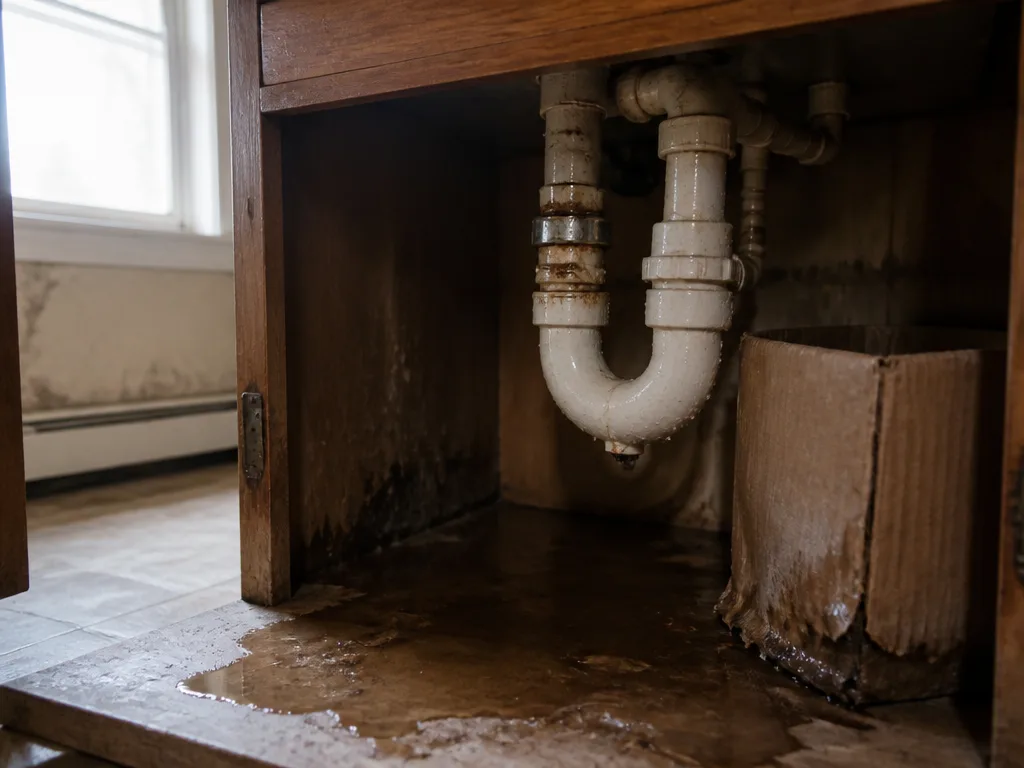
If the issue involves multiple fixtures, signs of a leak, or if water appears discolored, a licensed plumber should evaluate the system. In Massachusetts, that means a careful inspection of the main line, the valve seals, and the trap tiles when relevant. Our plumbers can diagnose whether the problem is mineral buildup, corrosion, or a failing valve and propose a practical fix.
Two telltale risks to escalate quickly: dampness that spreads or a sudden increase in water usage. Both can indicate a hidden leak or a compromised pipe. If you notice either, avoid extensive trial and error. Reach out to Massachusetts Backflow Prevention for a professional assessment across Massachusetts and a plan you can rely on.
What to expect from a pro visit
We start with a clear description of what you’ve observed and a quick on site check of accessible components. Then we explain options, costs, and timelines in plain language. There’s no guesswork. You’ll know what the work involves, what parts are recommended, and what you can plan for in the coming weeks.