Seasonal mindset for statewide service
Massachusetts homeowners know seasons bring changes that affect plumbing. From the last frost in spring to the heart of winter, our crews covering every Massachusetts metro see the same patterns. A little planning goes a long way toward avoiding damage and keeping water flowing smoothly.
The goal is to prevent leaks, maintain steady pressure, and reduce waste. We approach this with simple steps you can do now and a plan you can share with our team when you want a pro to take it from there.
Spring tips that save from hidden freeze damage
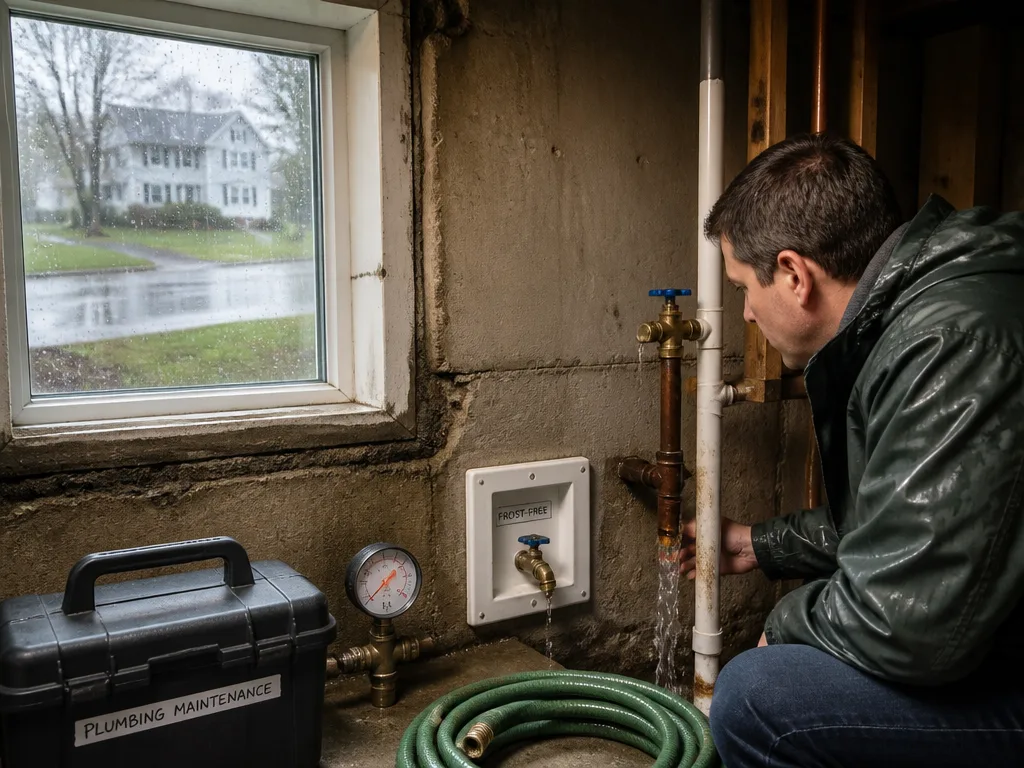
After a cold winter, check outdoor faucets and exposed pipes for cracks or damp spots. If you have access to your irrigation system, test valves and sprinkler heads for leaks. Look for warm days where you can run water for a few minutes to flush lines and clear any small blockages before they grow into bigger issues. Massachusetts Backflow Prevention recommends listening for odd sounds and watching for damp areas during the first warm weeks.
Inside the home, run water at a few faucets to stimulate steady flow after the cold months. If any fixture is slow or makes noise, schedule an inspection. Early detection helps prevent a larger problem once the humidity rises and air pockets shift in the pipes.
Summer and early fall: maintenance that pays off
Keep drains clear and inspect the main shutoff valve. In many Massachusetts homes the main valve is a critical safeguard if a sudden problem occurs. If you notice reduced flow or a sudden water surge at multiple fixtures, contact a plumber promptly. Our crews in every Massachusetts metro can perform a quick assessment and outline the safest next steps.
Seasonal checks also include water heater health. Sediment buildup can reduce efficiency. If you notice uneven hot water or longer heating cycles, it may be time to service or replace components. A pro can advise on whether a flush or a replacement makes sense for your home and your climate.
Smart steps for all-year reliability
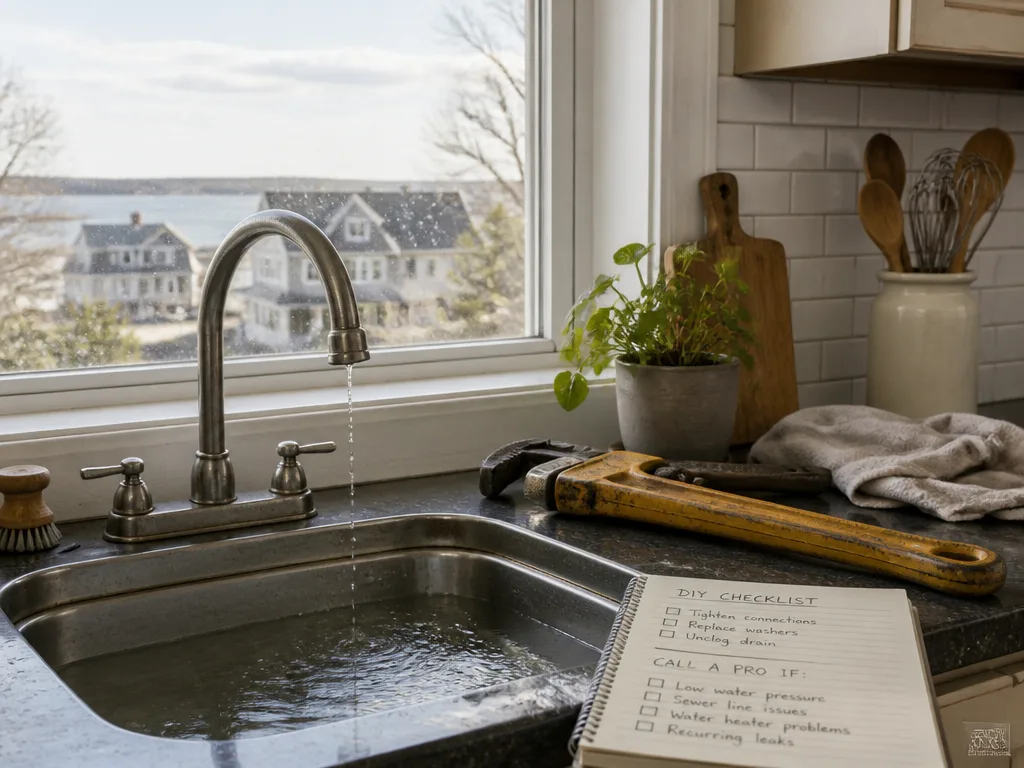
Keep an up to date record of your plumbing components. Label shutoffs and keep a simple maintenance schedule. Collecting a yearly checklist with a licensed plumber’s input helps you stay on track across Massachusetts. Massachusetts Backflow Prevention can tailor a plan that fits your home, your climate, and your budget.